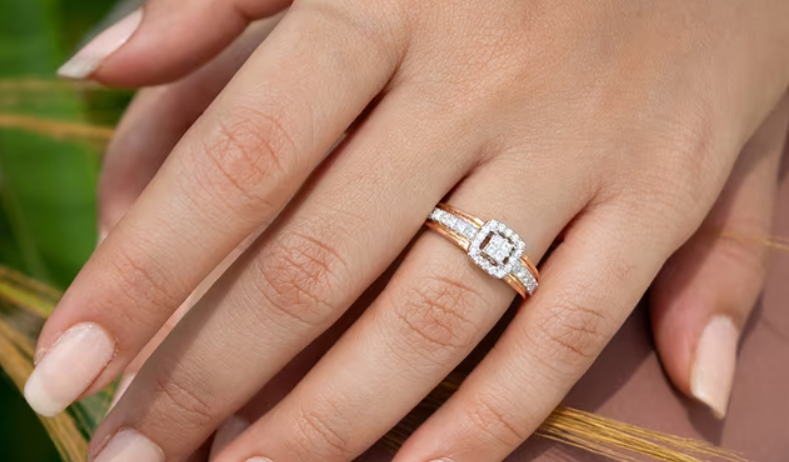
To an owner, the center diamond often feels like the natural beginning of a ring’s value. It is the brightest point, the emotional center, and usually the feature that first attracted attention. Yet experienced buyers often begin elsewhere. Before focusing fully on the stone, they quietly study the setting.
This may seem surprising, but it reveals an important truth about fine jewelry resale. A diamond ring is not valued as a stone floating alone in space. It is evaluated as a complete object, shaped by architecture, wear, craftsmanship, design relevance, and market confidence. The setting can reveal how carefully the ring was made, how well it has aged, and whether the diamond is being supported in a way that strengthens or weakens its appeal.
In the secondary market, the setting is not merely decoration. It is evidence.
The Setting Reveals the Ring’s Structural Integrity
A diamond may remain beautiful for generations, but the setting around it carries the marks of use. Prongs can thin. Metal can soften. A shank can lose its original proportion. Small repairs may change the balance of the piece. These details are not always obvious to an owner, especially if the ring has been worn for years and its changes have happened gradually.
Experienced buyers notice these signs quickly because they affect confidence. A ring with secure prongs, clean finishing, and balanced construction suggests that the diamond is well protected. A ring with worn or uneven structure may require repair before it can be worn or resold with certainty.
This does not mean the ring lacks value. It means the setting must be understood before the center stone can be fully interpreted. Structural integrity helps determine whether the ring can continue as a complete piece or whether the diamond itself may become the stronger focus of value.
Craftsmanship Shapes the Diamond’s Presence
The setting does more than hold the diamond. It frames the stone, controls how light reaches it, and influences how large, bright, and elegant the diamond appears. A well-made setting can elevate a diamond’s presence through proportion and restraint. A poorly balanced setting can make even a fine stone feel less refined.
This is why buyers look closely at prong work, gallery design, band width, and stone alignment before drawing conclusions. These quiet elements help determine whether the ring feels harmonious. In fine jewelry, harmony matters. A beautiful diamond in an awkward setting may not create the same market response as a slightly more modest stone in a graceful, carefully made ring.
For sellers, this is where expertise becomes essential. A fine diamond ring buyer understands that the setting and the center stone must be read together, because the value of the ring often lives in the relationship between the two.
Design Relevance Influences Future Market Appeal
Every setting carries the taste of its time. Some designs remain quietly timeless, while others reveal a more specific fashion moment. An experienced buyer studies this carefully because resale value depends partly on whether the next owner can imagine wearing the ring without major changes.
A classic setting may create broader market appeal because it feels adaptable. A distinctive setting may still be valuable, but it may require a buyer with a more particular sense of style. Neither outcome is inherently better. The important point is that design relevance affects liquidity.
Liquidity is a quiet but powerful factor in resale. A ring that can move confidently into the market may receive a different response from one that needs redesign, resetting, or a highly specific buyer. The setting often gives the first clue about which path is more likely.
The Setting Helps Separate Sentiment From Market Reality
Owners often view a ring through memory. The setting may feel familiar because it belonged to an important chapter of life. Its shape, weight, and details may carry personal meaning. Buyers, however, must also consider how the ring will be understood beyond that private history.
This is where the setting becomes a bridge between emotional value and market value. It shows how the ring has lived, how it has been cared for, and how easily it may begin another chapter. A thoughtful evaluation does not dismiss sentiment, but it must translate the ring into market terms.
By examining the setting first, buyers gain context before judging the stone alone. They see whether the ring’s outer structure supports the diamond’s long-term desirability or whether practical concerns may influence the offer. This creates a more complete and transparent evaluation.
Conclusion
Experienced buyers examine the setting before the center stone because the setting tells a story the diamond alone cannot tell. It reveals structure, craftsmanship, condition, design relevance, and the ring’s readiness for the secondary market. These details shape confidence long before the stone’s technical qualities are fully considered.
For sellers, this perspective can be deeply useful. It explains why two rings with similar diamonds may receive different responses, and why a ring’s architecture can influence resale potential as much as its visible beauty. The diamond may be the heart of the piece, but the setting determines how that heart is protected, presented, and understood.
A serious evaluation does not separate the stone from its surroundings too quickly. It studies the ring as a complete expression of material, craft, history, and market possibility. When sellers understand this, the resale process becomes less mysterious and more intelligent. They begin to see that value is not hidden in one feature alone, but in the quiet conversation between the diamond and the setting that has carried it.
